


September 3rd, 2017
Human activities are contaminating the world’s water systems and
disrupting wildlife. From toxic chemical runoff to the accumulation of
litter miles away from land, here are five ways water pollution is
killing animals:
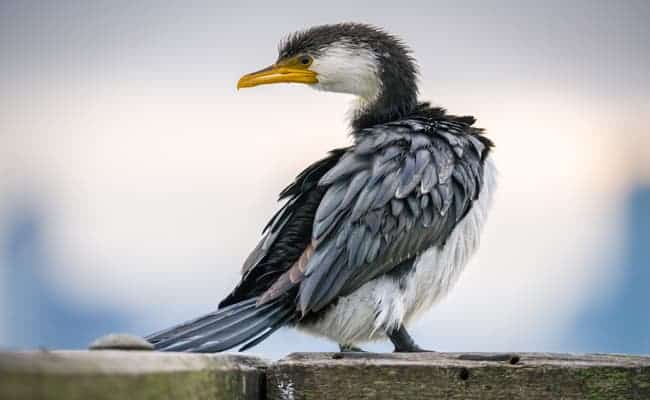
Photo Credit: Mark Galer/Unsplash
1. More Than a Million Sea Birds and Mammals Are Killed Each Year By Ingestion of Plastic
Around 100 million tons of plastic is produced every year, of which
10 percent ends up in the sea. Ocean litter comes from many sources —
including trash that washes off city streets, waste blown in from
landfills and containers that fall off ships during heavy storms. Once
in the water, the debris accumulates in large patches, travels with
currents and washes up onshore. This litter is frequently consumed —
often with fatal effects — by marine mammals, fish and birds who mistake
it for food. The Trash Vortex of the North Pacific ocean consists of
trillions of pieces of decomposing plastic that forms a gigantic
swirling garbage patch the size of Texas.
2. Chemical Runoff From Farms Has Caused 400 Dead Zones Around the World
The use of pesticides and fertilizers on farms has increased an
alarming 26 fold over the last 50 years, causing serious environmental
consequences. Chemical runoff from farms is leaching into nearby
streams, waterways and groundwater, killing thousands of insects and
fish. The presence of fertilizers in the water alters nutrient systems,
resulting in explosive growths of algae that produce harmful toxins and
deplete the water of oxygen, and as a result little or no marine life
can exist. Scientists have recorded an estimated 400 such dead zones
around the world.
3. Noise Pollution Is Driving Animals to Extinction
Pollution is not always physical. Sound waves from ships, sonar
devices and oil rigs can travel for miles disrupting migration,
communication, hunting and reproduction patterns of many marine animals.
The deafening noise of gas and oil explorations are so loud that they
are causing devastating effects to the sea life residing in our world’s
oceans such as mass strandings, reckless diving, the inability to find
food and chronic stress. Extreme noise pollution has been known to kill
hundreds of dolphins and whales at a time, many of which are already on
the brink of extinction.
4. Cruise Ships Dump More Than 250,000 Gallons of Wastewater and Sewage Every Day
Due to lax laws, cruise ships have been operating with little to no
environmental regulations, and as a result have caused a great deal of
damage to sensitive marine life. Current regulations allow cruise ships
to legally dump untreated sewage and other waste once the ships are
three miles from shore. This toxic waste is discharged directly into the
ocean and contains bacteria, pathogens, medical waste, oils,
detergents, heavy metals and other harmful substances, all of which are
putting aquatic life at risk.
5. Acid Rain Discharges Toxic Amounts of Aluminum into the Water Systems
When water in the atmosphere mixes with certain chemicals, in
particularly those omitted from burning fossil fuels, acidic compounds
are formed. Acid rain has been linked to many serious adverse effects on
ecosystems, especially aquatic ecosystems on which it falls. Through
the discharge of toxic amounts of aluminum into the water, pH levels are
altered, killing many animals outright and throwing delicate ecosystems
out of balance.You can help to protect the planet and sustain the world’s ecosystems by supporting environmental groups that are fighting to put a stop to these harmful practices, as well as by making your own conscious decisions regarding waste management, harmful chemicals and earth friendly alternatives to your everyday products.
This article was first published by Care2.com on 20 Aug 2017.

Đăng nhận xét